
If you still hold the old notion that “if no one picks up the cargo at the destination port, you can always recover the costs from the consignee,” then starting May 1, 2026, this mindset will put you at significant risk!
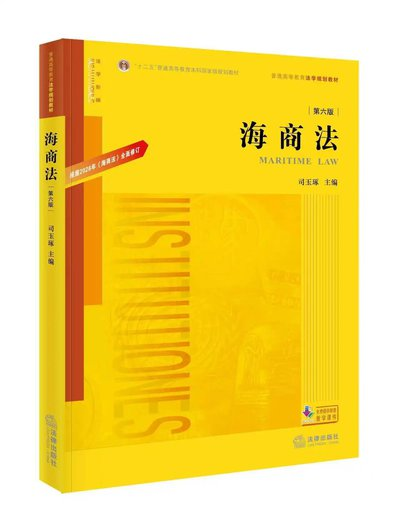
The newly revised Article 93 of the Maritime Code of the People’s Republic of China introduces a fundamental shift in the maritime liability framework, directly redefining the scope of liability for shippers (consignors). Every professional in foreign trade and freight forwarding must fully understand these changes!

I. Core Change: Complete Reversal of Liability Priority
Before (prior to May 1): When cargo arrived at the destination port and remained unclaimed, the shipping company would primarily seek recourse from the consignee.
Now (effective May 1, 2026): The new law explicitly shifts the priority of liability to the shipper (consignor). The shipping company will contact the contractual shipper first — that is, the party who signed the contract of carriage with the shipping company.
In short: Previously, the focus was on the consignee; now, the focus is on the shipper. The shipper’s liability has shifted from “secondary liability” to “primary liability.”
II. Two Key Changes Under the New Law (Directly Impacting Your Costs)
Shipping Company Has a Duty to Notify
The new regulation stipulates that the carrier must promptly notify the shipper of the arrival of the goods and the fact that they remain unclaimed. If the shipping company fails to notify, resulting in cargo detention and additional demurrage or detention charges, the shipper shall not be liable for such increased losses.
Key point: Keeping records of notifications is your safeguard.
Consignee’s Refusal ≠ Shipper’s Release from Liability
The new law clarifies that unless the consignee has already taken delivery of the goods by presenting the bill of lading, the shipper remains liable for as long as the cargo remains unclaimed. Even under FOB terms where the buyer nominates the forwarder, if you are the contractual shipper, you still bear primary liability.
III. 6 Risk Control Measures Foreign Traders and Logistics Professionals Must Implement
To mitigate risks and losses, we recommend taking the following actions immediately:
1. Clearly Define Roles: Avoid Being Mistaken as the “Contractual Shipper” Under FOB Terms
Ensure the identity of the contracting party is clearly defined in contracts, bills of lading, and booking processes to avoid unintentionally becoming the liable entity.
2. Rigorously Review Bill of Lading Information
The shipper information on the bill of lading must be accurate and complete. Ambiguities or incorrect entities should be avoided.
3. Optimize Contract Clauses
Include the following in transportation contracts and foreign trade contracts:
- Risk-sharing for abandoned cargo
- Allocation of demurrage and detention charges
- Ownership of cargo control rights
Addressing these at the outset reduces disputes.
4. Implement End-to-End Cargo Tracking
Monitor cargo status at the destination port in real time to stay informed of delivery progress and avoid delays or loss of contact.
5. Establish Abandoned Cargo Liability Clauses with Overseas Clients
Clearly stipulate in foreign trade contracts that if the buyer refuses or abandons the cargo, all associated costs shall be borne by the buyer.
6. Arrange Appropriate Insurance Coverage
Standard cargo insurance does not cover expenses related to abandoned cargo. Consider supplementary coverage such as:
- Carrier’s liability insurance
- Logistics liability insurance
- Abandoned cargo insurance
IV. Final Thoughts
Compliance Is Not an Option — It Is a Necessity for Survival
With the implementation of the new regulations on May 1, the risk landscape in maritime logistics has fundamentally changed. The era of “ship it and forget it” is over. Refined risk management and compliant operations must now become your core competencies.
With over two decades of experience in international logistics, we have witnessed numerous regulatory transformations.
At Judphone, we continuously provide our clients with:
- Bill of lading compliance reviews
- Contract clause optimization
- End-to-end risk assessments
- Tailored risk management solutions
Let us help you navigate the new rules with confidence, safeguarding the safety and cost-effectiveness of every shipment.
Please feel free to contact us at any time. Our professional team is ready to support you!
Note: This article serves as an interpretation of industry policy. For specific applications, the official legal provisions shall prevail.

Post time: Apr-03-2026