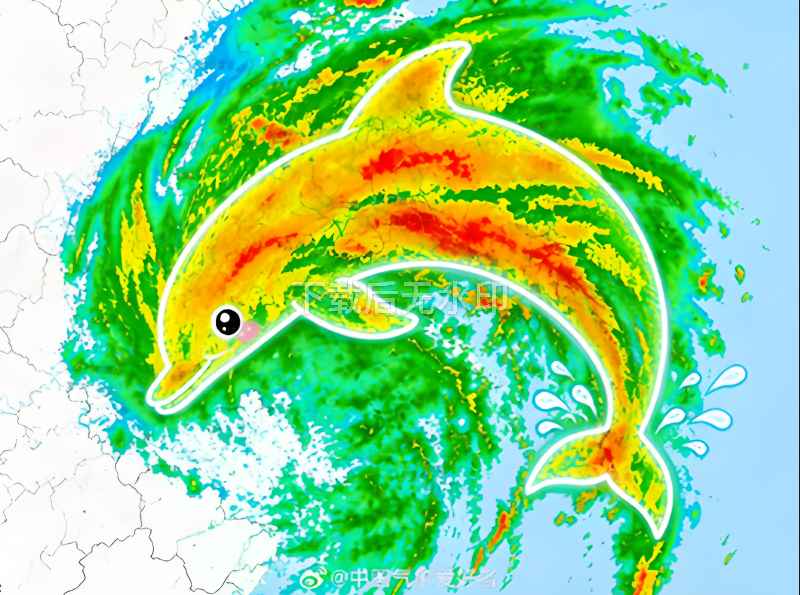
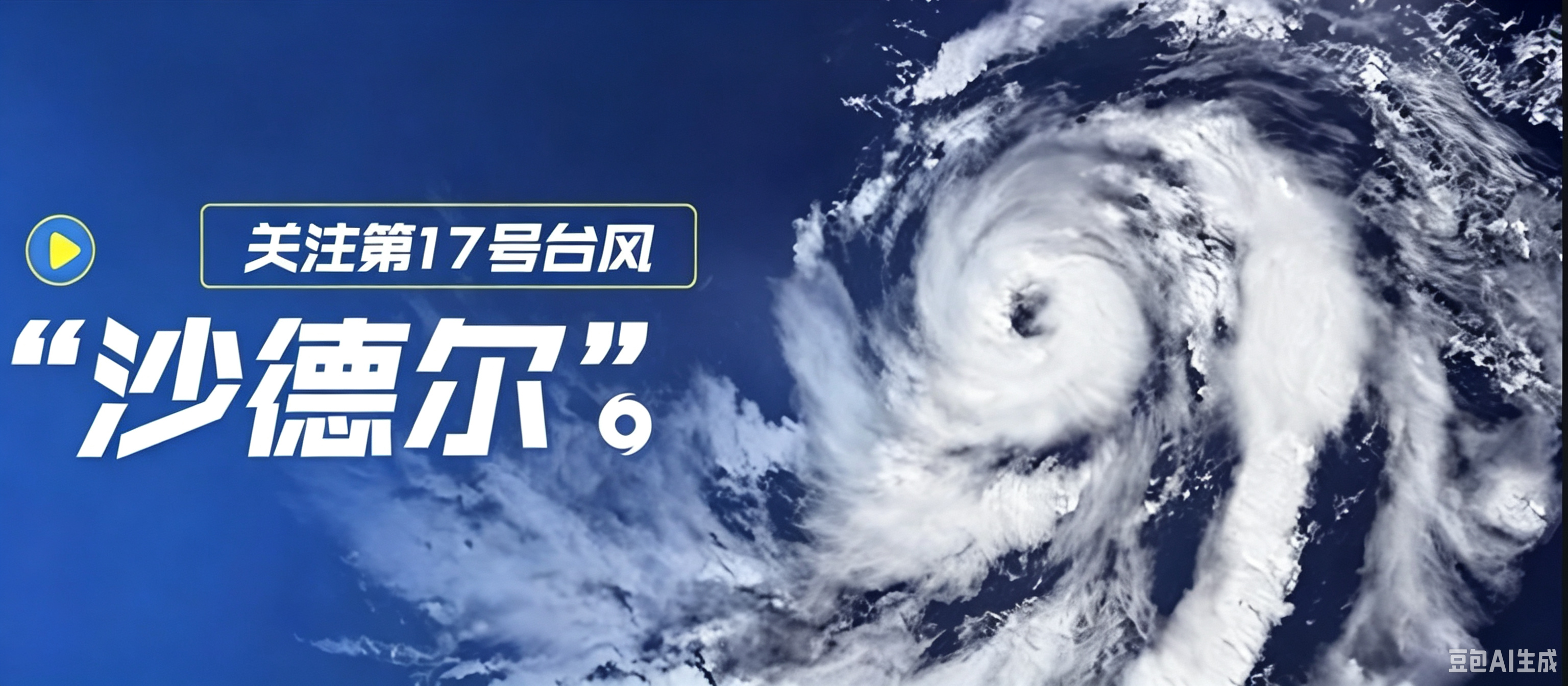
The situation at East China ports has been deeply concerning for many. The disruptions caused by the recent Typhoon “Dolphin” have not yet been fully resolved, and now Super Typhoon “Saudel” is bearing down. The Port of Shanghai and its surrounding ports are facing a severe test.
This article aims to clarify the current reality and provide practical, actionable advice.
I. Current Situation: 400,000 TEUs Backlogged – Ports Operational, but Schedules Remain Disrupted
The temporary port closures in Shanghai and Ningbo due to “Dolphin” have led to a post-reopening surge of vessel congestion, concentrated truck arrivals, and high yard density:
Vessel Waiting Times:Average 6–8 days, with some berths at Waigaoqiao reaching 8–12 days.
Yard Utilization:75%–90%, increasing the risk of storage and truck detention fees.
Carrier Actions:Maersk, Hapag-Lloyd, and others are frequently implementing port omissions, canceling calls, and delaying sailings. Delays on Asia-Europe, Latin America, and US routes are commonly 7–14 days.
Key Takeaway:Pier operations resuming does not equate to a restored logistics chain. The recovery of the liner network lags far behind terminal operations – this is the core reason for the persistent congestion.
II. Forecast: With 400,000 TEUs Backlogged, When Will It Clear?
Considering port throughput capacity, the pace of schedule recovery, and the secondary impact of the new typhoon, we outline three scenarios:
Optimistic (Saudel only affects periphery, no work stoppage)
Early September (Sept 1–10): Major backlog cleared, schedules noticeably improve.
Baseline (Saudel causes 1–2 days of restricted operations / short closure)
Backlog clearance is pushed back, with a return to normality expected by mid-September.
Risk (Direct landfall, port closure ≥3 days)
Backlog compounds significantly, with full clearance potentially delayed until late September.
Bottom Line:Early September is a critical observation window. Barring a direct hit from another strong typhoon, conditions should significantly ease from mid-month onward.
III. Urgent: Typhoon Saudel Approaches – Latest Risks for East China Ports
Central Meteorological Observatory warning (August 26):
Intensity:Severe Typhoon level, with central winds of 14 Beaufort scale.
Path:Expected to make landfall between Xiangshan, Zhejiang, and Fuqing, Fujian, on the night of August 27 – morning of August 28.
Impact:Ports in Shanghai, Ningbo, Zhoushan, etc., are highly likely to experience reduced efficiency, short-term closures, and suspended gate-in operations.
Immediate Impacts:
•
Containers already gated in: May miss the customs declaration cutoff, requiring a change of shipment.
•
Containers not yet gated in: The window for delivery is tightening; storage/drop-off fees are likely to rise.
•
Schedules: Existing delays will be further extended, with an increased risk of port omissions.
IV. Practical Countermeasures for Exporters: Follow These 6 Steps to Stabilize Shipments and Minimize Losses
1. Build in Mandatory Lead Time Buffers, Secure Risk Provisions Early
Give customers a 10–14 day buffer for potential delays.
Include a Force Majeure clause for typhoons in contracts/PIs, and share official weather warnings.
For L/C orders: Request an amendment to the latest shipment date in advance to avoid discrepancies and payment refusals.
2. Diversify Ports: Don’t Put All Your Cargo Through Shanghai/Ningbo
Urgent/Strict delivery orders: Divert shipments to Xiamen, Yantian (Shenzhen), or Nansha (Guangzhou) .
General cargo: Can remain scheduled via Shanghai/Ningbo, but accept the expected delays.
Avoid concentrated delivery to ports during the Aug 27–29 period.
3. Booking & Space: Prioritize Direct Sailing Vessels, Avoid Transshipments
Direct sailings are more stable; transshipment routes are more vulnerable to omissions or rollovers.
Do not rely solely on system ETDs; base your decisions on the carrier’s latest berthing plan.
If rolled, prioritize re-booking on the next available sailing rather than canceling and re-booking blindly.
4. Gate-In & Cutoff: Avoid Premature Drop-Offs
Only dispatch trucks after receiving explicit gate-in confirmation from the terminal or freight forwarder.
Once a typhoon warning is issued: For containers not yet gated in, consider storing them temporarily at the factory or an external depot.
For containers already gated in: Accept the possibility of missing the current voyage and prepare for a change of shipment.
5. For Already Backlogged Cargo: Monitor These 3 Key Data Points
Vessel waiting time at anchorage.
Whether the carrier has implemented port omissions or canceled calls.
The terminal’s actual berthing time.
Keep all relevant notifications as evidence for any potential fee disputes.
6. Communication & Costs: Being Proactive is Safer Than Being Reactive
Proactively inform customers about the combined impact of the typhoon and congestion, providing updated ETAs.
Pay close attention to fees such as: drop-off charges, truck detention fees, and change-of-shipment fees.
For critical urgent cargo, consider alternatives: Air freight or China-Europe Railway Express as backup options.
V. Conclusion: 3 Crucial Takeaways to Remember
•
The backlog of 400,000 TEUs is expected to clear by early-to-mid September under normal conditions; if Saudel causes port closures, clearance will extend to late September.
•
The greatest risk is not terminal shutdowns, but carriers omitting ports and space disappearing.
•
For shipments in the near term: Maximize lead time buffers, diversify ports, and closely monitor carrier announcements.
East China ports are in a difficult window of back-to-back typhoons. Staying calm, having a robust contingency plan, and maintaining clear communication are key to minimizing delays and losses.
During these exceptional times, a little more patience, preparation, and proactive communication can save you significant trouble.
Do you have cargo currently at Shanghai port? Feel free to share your experiences in the comments below – let’s help each other out.