
To ensure universal safety and interoperability across global terminals, vessels, and yard equipment, the ISO international standard sets the maximum gross weight (MGW) for standard dry containers—container tare plus cargo—at 30.48 tons.
Payload capacity = 30.48 tons − Container tare weight
Tare weight approx. 2.2–2.5 tons → theoretical maximum payload per nameplate: ~28 tons
Longer and taller, with more steel structure, tare weight approx. 3.7–3.9 tons → theoretical maximum payload per nameplate: ~26 tons
Important: 28 tons is only a hardware-based theoretical limit. It does not mean you can actually load 28 tons of cargo. Stricter restrictions apply from shipping lines, trucking operators, and destination-country regulations.
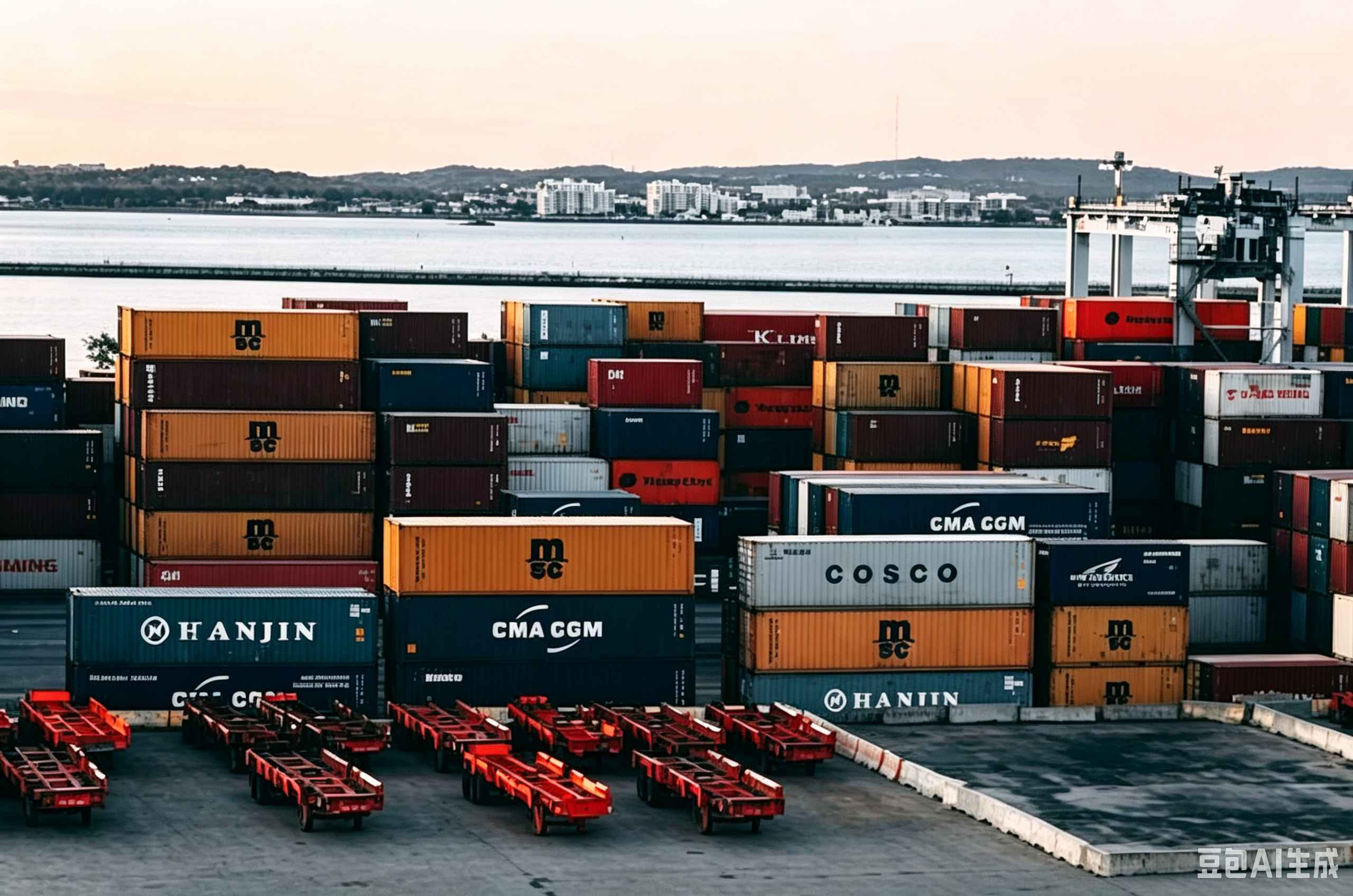
Why Can’t a 40HQ Be Loaded to 28 Tons?
It is not that the 40-foot box is “built weaker.” Rather, it is constrained by the same ISO total-weight limit. With a length of nearly 12 meters, a 40HQ loaded to 28 tons would place far greater stress on its floor beams and four corner castings than a 6-meter short container. The container’s factory-rated load capacity does not allow for this condition. Hence, the 40HQ is inherently designed for low-density, voluminous “light” cargo, where value comes from cubic capacity—not from heavy payloads.
Four Layers of Weight Limits—Where Most Shippers Run Into Trouble
The nameplate rating is only the first layer. In practice, your shipment must pass four checkpoints:
In reality, we frequently see cases where cargo is loaded and cleared at the terminal, but an overweight issue is discovered only at the trucking stage—or the shipment cannot be delivered inland at destination, resulting in huge costs for reconfiguration, demurrage, and storage.
How We Help Our Clients Avoid These Pitfalls
Container-type advisory before booking
We go beyond the container nameplate. We verify—upfront—the shipping line’s restrictions, origin trucking regulations, and destination port/inland weight limits. This ensures that the entire supply chain is risk-checked, so your cargo doesn’t end up “leaving the factory but unable to hit the road or reach the port.”
If your cargo inherently has to be heavy, we clearly disclose any OWS (Overweight Surcharge), extra trucking fees, and destination-side risks at the quotation stage—not as a surprise surcharge when shipment is already underway.
It is not that a larger container has insufficient structural strength; rather, both 20GP and 40HQ share the same 30.48-ton gross weight ceiling. The 40HQ’s higher tare weight leaves less room for cargo, while the 20GP’s lighter tare gives it a higher theoretical payload margin.
Choosing the right container isn’t just about volume—weight and the full transport chain’s limits are what truly determine whether your plan is feasible.
Post time: Aug-25-2026