
If you are importing heavy goods (like hardware, stone, or machinery) from China, you might assume a 40HQ container can carry twice as much weight as a 20GP. That assumption will cost you money. In reality, a 20ft container can legally carry more cargo weight than a 40ft high cube. Here is the math, the hidden rules, and how we protect your shipment from overweight penalties.
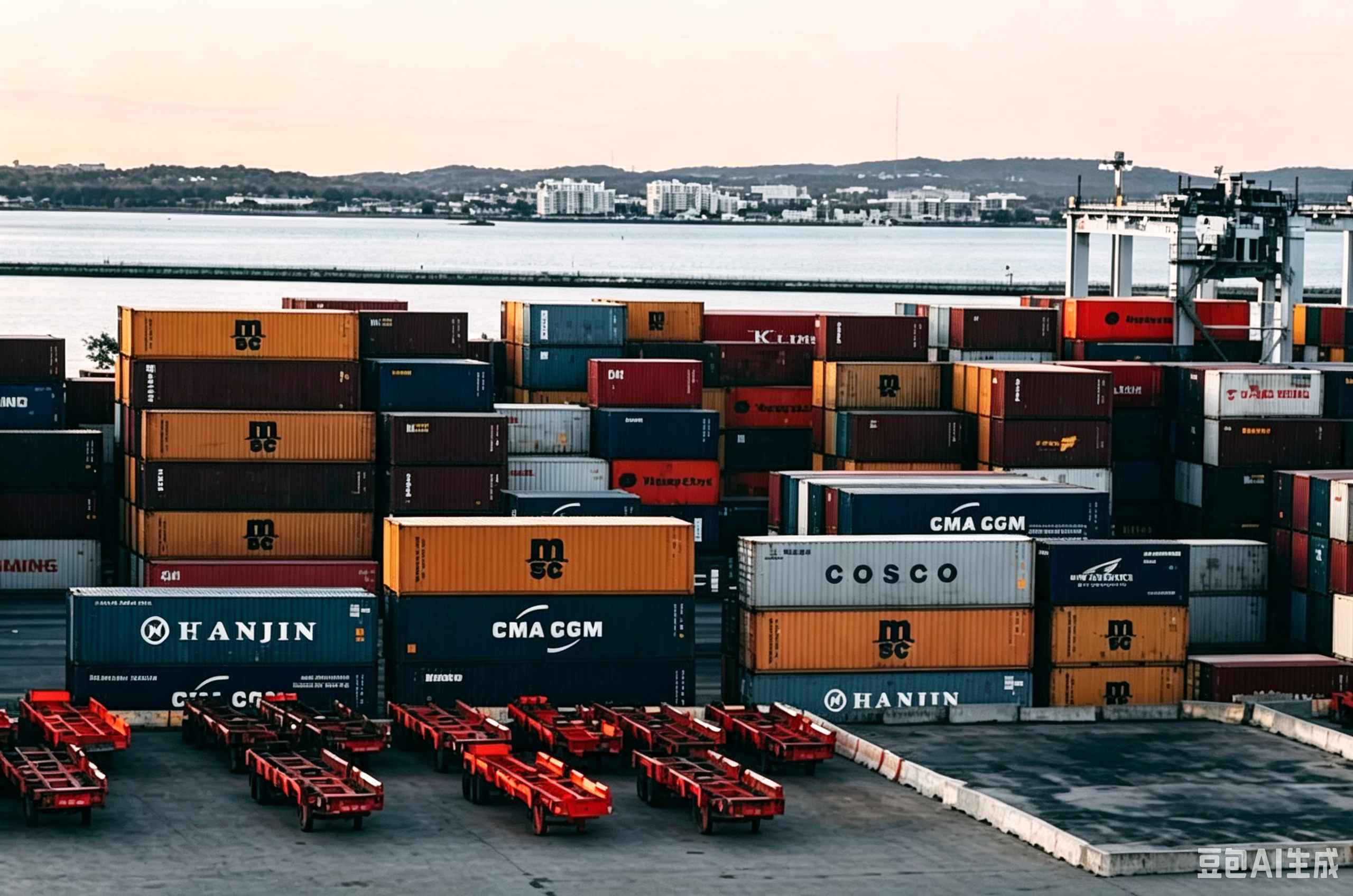
The ISO Standard That Applies to All Containers
To ensure the safety of global ports, ships, and terminal equipment, the International Organization for Standardization (ISO) sets a universal Maximum Gross Weight (MGW) for standard dry containers: 30.48 metric tons (67,200 lbs).
Payable Cargo Weight = 30.48 Tons – Container Tare Weight.
Let’s do the math:
- 20GP (20ft Standard): Tare weight is about 2.2 – 2.5 tons. Max theoretical cargo: ~28 tons.
- 40HQ (40ft High Cube): Due to its larger steel structure, tare weight is about 3.7 – 3.9 tons. Max theoretical cargo: ~26 tons.
The Container Nameplate is Just the First Hurdle
Many shippers only look at the container’s maximum payload, ignoring the other three restrictions. In reality, your cargo must pass four layers of weight checks:
| Layer | Restriction | The Risk |
|---|---|---|
| 1. Container Hardware | ISO standard: Max 30.48 tons gross weight. | Container damage (rarely the actual bottleneck). |
| 2. Carrier Limits | Shipping lines often set lower limits than ISO standards, especially on certain routes. | Cargo refused at the port; high re-booking fees. |
| 3. Origin Road Limits | In China, a 6-axle truck (head + trailer) has a legal limit of 49 tons total. If carrying two 20GP containers, both cannot be near 30 tons. | Truck cannot leave the factory; Overweight Surcharge (OWS) applies. |
| 4. Destination/Inland Limits | Countries like Japan, the US, and Australia have strict road weight limits for inland delivery. | Cargo arrives at the destination port but cannot be transported inland. |
A common nightmare: The cargo is loaded, the port releases it, but the truck driver refuses to move because of road limits. Or, the ship arrives at the destination port, but the inland trucking company refuses delivery. The result: massive demurrage, re-packing costs, and missed deadlines.
Don’t Just Pick the Container by Volume
At Judphone, we look at the entire transportation chain before recommending a container type:
- For High-Density Heavy Cargo (Hardware, Stone, Grain): We prioritize 20GP containers. This avoids overweight rejections and demurrage.
- For Low-Density Light Cargo (Furniture, Apparel, E-commerce bulky items): We recommend 40HQ containers. This maximizes volume utilization and lowers your unit freight cost.
- Multi-Layer Weight Pre-Check: We don’t just look at the container nameplate. We cross-check the carrier’s route limits, the domestic trucking regulations, and the destination inland transport rules.
- Transparent Cost Warning: If your cargo is inherently heavy, we will inform you of potential Overweight Surcharges (OWS) and trucking extra costs at the quotation stage—not after the cargo is loaded.
FAQ
Q: Can I load 28 tons into a 40HQ container?
A: Not safely or legally. While a 20GP can theoretically carry ~28 tons, a 40HQ has a heavier tare weight and is not designed for high-density heavy cargo. The actual payload is usually around 26 tons, and carrier/road limits often reduce this further.
Q: What happens if my container is overweight?
A: The truck driver may refuse to transport it to the port (Origin Road Limit). Or, the shipping line may reject the container at the terminal. You will face Overweight Surcharges (OWS), re-loading costs, and potential delays.
Q: How does Judphone help me avoid overweight fees?
A: We check the cargo weight against the container’s payload, the carrier’s route restrictions, the trucking company’s limits, and the destination’s inland regulations before booking. We advise you on the best container type and potential surcharges upfront.
Don’t Let Overweight Issues Ruin Your Shipment.
From heavy machinery to light e-commerce goods, we match your cargo with the right container and the right route.
Keep Reading: More Logistics & Compliance Insights
- China Customs Announcement 136: Container Suitability Inspection Guide Exporting food or frozen goods? Here is the 21-day validity rule you must know.
- Exporting Dangerous Goods from China: Navigating the “Wei Bao Zheng” Certification Shipping DG cargo? Don’t let packaging certification delays ruin your schedule.
- 9-Step Container Loading Photo SOP: Avoid 90% Cargo Damage Disputes The ultimate shield against cargo damage claims. Learn the exact photos you must take.
Post time: Nov-20-2026